Trezor Login: A Comprehensive Guide to Safe Cryptocurrency Access
Introduction
Cryptocurrency security has never been more important. With digital assets growing in value and popularity, protecting your crypto is crucial. Trezor, one of the leading hardware wallets, provides an offline, highly secure way to store cryptocurrencies.
Unlike software wallets that store keys online or on a device vulnerable to malware, Trezor keeps your private keys offline, significantly reducing the risk of hacking. Accessing your Trezor wallet, known as Trezor login, involves connecting the device, entering a PIN, and optionally using a passphrase to secure your holdings.
This guide provides a complete overview of Trezor login, including setup, security features, troubleshooting, and best practices.
What is Trezor?
Trezor is a hardware cryptocurrency wallet developed by SatoshiLabs. It allows users to store, send, and receive digital assets securely.
Key features include:
Offline Private Key Storage: Keeps private keys completely offline.
PIN Protection: Prevents unauthorized access.
Recovery Seed: 24-word phrase to restore the wallet if the device is lost or damaged.
Passphrase Option: Adds an extra layer of security beyond the recovery seed.
Multi-Currency Support: Compatible with hundreds of cryptocurrencies.
Cross-Platform Support: Works with Windows, macOS, Linux, and mobile devices.
Trezor is designed for users who prioritize security and control over convenience, making it ideal for long-term cryptocurrency storage.
Understanding Trezor Login
Unlike traditional online wallets, Trezor login involves hardware verification. This ensures that private keys never leave the device, keeping your funds safe from malware or online attacks.
The login process includes:
Connecting the Trezor device to a computer or mobile device
Entering the PIN on the device
Accessing your wallet through Trezor Suite or compatible applications
Optional passphrase entry provides an additional security layer, effectively creating a “hidden wallet” for extra sensitive assets.
Step-by-Step Guide to Trezor Login
Step 1: Connect Your Trezor Device
Use the original USB cable to connect your Trezor device to a computer. For Trezor Model T, you can also use Bluetooth on supported devices. Ensure a stable connection to avoid errors.
Step 2: Open Trezor Suite
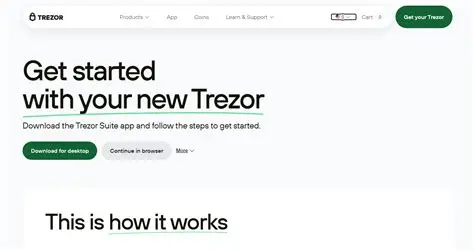
Trezor Suite is the official interface for managing your wallet. Download it from https://trezor.io/start for your operating system.
Launch the application.
Click “Connect Your Trezor”.
Step 3: Enter the PIN
The device will prompt you to enter a PIN code.
Trezor uses a randomized numeric grid, meaning the numbers on your screen change position each time.
Enter your PIN using the on-screen interface; the input never leaves the device.
Step 4: Access Your Wallet
After entering the PIN, Trezor Suite decrypts the wallet interface, allowing you to:
View cryptocurrency balances
Send and receive funds
Access multiple accounts
Manage tokens and assets
Step 5: Optional Passphrase
Enabling a passphrase adds an extra layer of protection. Even if your PIN and recovery seed are compromised, the passphrase prevents unauthorized access to your funds.
Enter the passphrase exactly as chosen.
You can create multiple passphrase-protected wallets for different purposes.
Trezor Login on Mobile Devices
Trezor supports mobile login through Trezor Suite Mobile and compatible third-party wallets such as BlueWallet or Electrum.
Install the official app on your mobile device.
Connect your Trezor using USB OTG or Bluetooth (if supported).
Enter your PIN and passphrase.
Access your wallet to manage, send, and receive cryptocurrencies on the go.
Mobile access allows you to trade or monitor your funds anywhere, maintaining the same security standards as desktop login.
Security Features of Trezor Login
1. Offline Private Key Storage
Private keys remain on the device, never exposed to your computer or the internet.
2. PIN Protection
Prevents unauthorized access to the device, even if it is physically stolen.
3. Recovery Seed
A 24-word recovery seed allows you to restore your wallet in case of device loss or damage.
4. Passphrase Option
Adds a “hidden wallet” feature, creating an additional layer of security beyond the recovery seed.
5. Encrypted Communication
All communications between your Trezor and the computer are encrypted, preventing interception by malware or hackers.
Benefits of Trezor Login
High Security: Hardware storage protects against online attacks.
Full Ownership: You control your private keys.
Multi-Currency Support: Compatible with hundreds of cryptocurrencies.
Backup & Recovery: The recovery seed ensures funds are never permanently lost.
Cross-Platform Compatibility: Works across desktop and mobile devices.
Common Trezor Login Issues and Troubleshooting
1. Device Not Recognized
Ensure the USB cable is securely connected.
Try a different USB port or cable.
Update Trezor firmware if required.
2. Forgotten PIN
Use the recovery seed to reset the device and create a new PIN.
3. Passphrase Entry Problems
Ensure the passphrase is entered exactly; even one wrong character creates a new wallet.
4. Firmware Update Issues
Follow instructions in Trezor Suite carefully.
Never disconnect the device during an update to avoid bricking it.
Trezor vs Software Wallets Login
FeatureTrezor WalletSoftware WalletsPrivate Keys StorageOffline (hardware)Online or device-basedSecurityVery HighModerateBackup24-word recovery seedPasswords or local filesMalware ProtectionStrongModerateMulti-Currency Support100+ cryptocurrenciesVaries
Trezor’s login process is inherently more secure because private keys never leave the device.
Best Practices for Trezor Login
Always use official Trezor Suite software or trusted third-party apps.
Never share your recovery seed.
Keep your PIN and passphrase private.
Enable passphrase protection for sensitive holdings.
Regularly update firmware.
Use secure networks when accessing the wallet.
Tips for Smooth Trezor Login
Keep your device physically secure at all times.
Store backup recovery seeds in offline, fireproof locations.
Consider multiple wallets for different types of holdings.
Test wallet recovery periodically to ensure your backup works.
Avoid using Trezor on untrusted or public computers.
Conclusion
Trezor login is unique because it combines hardware security, PIN verification, and optional passphrase protection. Unlike online wallets, Trezor ensures private keys never leave the device, making it extremely secure.
By following best practices such as using official software, protecting your PIN and recovery seed, and enabling passphrase security, you can confidently access, manage, and trade cryptocurrencies safely.
For users serious about crypto security, Trezor provides one of the safest login experiences, giving full control and peace of mind over digital assets.